
How to Get Rid of Melasma & why does it keep coming back?
Melasma is one of the most frustrating skin concerns to deal with. Those patches of brown or gray brown discoloration, usually on the cheeks, forehead, upper lip, and bridge of the nose, can be stubborn, and just when you think they are fading, a little sun exposure brings them right back. If you live in sunny South Florida, you know the challenge firsthand. The honest truth is that melasma is a chronic condition that can be significantly improved and managed, but not permanently cured. The good news is that with the right treatments and a smart prevention plan, most people can achieve much clearer, more even skin. Here is how.
What are the best treatments for melasma?
The most effective approach combines professional treatments with medical grade skincare and strict sun protection.
| Treatment | How it helps melasma |
|---|---|
| Sylfirm X RF microneedling | Dual wave technology specifically designed to target melanin related concerns like melasma, safely across skin tones |
| Aerolase laser | A gentle laser that can help improve pigmentation and tone, and is safe for all skin tones |
| Medical-grade chemical peels | Carefully chosen peels exfoliate and brighten to fade pigmentation, when appropriate for melasma |
| PRX Dermperfexion | A no needle treatment that brightens and improves tone without aggressive peeling |
| Medical-grade skincare | Prescription strength brighteners and antioxidants that suppress excess pigment and maintain results |
The right combination depends on your skin, your skin tone, and how deep your melasma sits, which is why we assess in person and build a careful, personalized plan.
What is melasma?
Melasma is a common form of hyperpigmentation that causes symmetrical patches of darker skin, most often on the face. It happens when the pigment producing cells in your skin, called melanocytes, become overactive and produce excess melanin. Melasma is more common in women and in people with medium to deeper skin tones, and it is strongly influenced by hormones and sun exposure. Because the pigment can sit at different depths in the skin, some melasma is more responsive to treatment than others, which is why a professional assessment matters.
how to get rid of melasma? Can melasma be cured?
This is the most important question, and we believe in being honest about it. Melasma cannot be permanently cured, because it is a chronic condition driven by factors like hormones and sun that do not go away. However, it can be very effectively managed and dramatically improved. With the right professional treatments, diligent sun protection, and the right skincare, most patients achieve much clearer, more even skin and keep flare ups under control. Think of melasma as something you manage over the long term, not a one time fix, and beware any clinic that promises a permanent cure.
What causes melasma?
Melasma usually results from a combination of triggers, which is why it can be so persistent:
- Sun exposure, the single biggest trigger, especially UV and even visible light
- Hormones, including pregnancy (often called the mask of pregnancy), birth control, and hormone therapy
- Genetics and family history
- Heat, which can worsen melasma even without direct sun
- Certain skincare products or treatments that irritate the skin
Understanding your personal triggers is a key part of managing melasma, because treatment alone, without addressing triggers, tends to lead to it coming back.
Are melasma treatments safe for darker skin tones?
Yes, but this is exactly where expertise matters most. People with medium to deeper skin tones are both more prone to melasma and more at risk from aggressive or poorly chosen treatments, which can trigger more pigmentation. That is why we favor treatments known to be safe across skin tones, like Sylfirm X and the Aerolase laser, and why we take a gentle, strategic approach. In the wrong hands, melasma treatment can backfire on darker skin. In experienced hands, patients of every skin tone can safely achieve clearer, more even skin.
Why does melasma keep coming back?
If your melasma keeps returning, you are not doing anything wrong, it is the nature of the condition. Because melasma is driven by ongoing triggers like sun and hormones, the pigment producing cells stay primed to overproduce. The moment you get significant sun exposure, or a hormonal shift occurs, it can flare again. This is why sun protection is not optional with melasma; it is the foundation of keeping it under control. Treatments clear the existing pigment, but only diligent prevention keeps it from coming right back.
What is the difference between melasma and regular dark spots?
This distinction matters because they are treated a bit differently. Regular dark spots, or post inflammatory hyperpigmentation, are usually the aftermath of a specific event like a pimple or injury, and they often fade with peels and skincare. Melasma is a chronic, hormone and sun driven pattern of pigmentation that is more stubborn and prone to returning. Melasma requires a gentler, more strategic approach, because aggressive treatments can sometimes make it worse by triggering inflammation. This is why melasma should be treated by an experienced provider, not with random at home gadgets.
How to prevent melasma flare-ups
Prevention is half the battle, and in Florida it is essential. To keep melasma under control:
- Wear a broad spectrum SPF 30 or higher every single day, and reapply, even indoors and on cloudy days
- Choose a tinted mineral sunscreen, which also helps block the visible light that worsens melasma
- Wear a wide brimmed hat and seek shade, especially midday
- Avoid excess heat, including saunas and hot yoga, which can worsen melasma
- Use gentle, non irritating skincare and avoid harsh scrubs
- Discuss hormonal triggers with your doctor if relevant
- Stay consistent with your maintenance treatments and skincare
We will recommend the right sunscreen and skincare as part of your plan, because protecting your results is just as important as achieving them.
Managing melasma in Wellington and the Florida sun
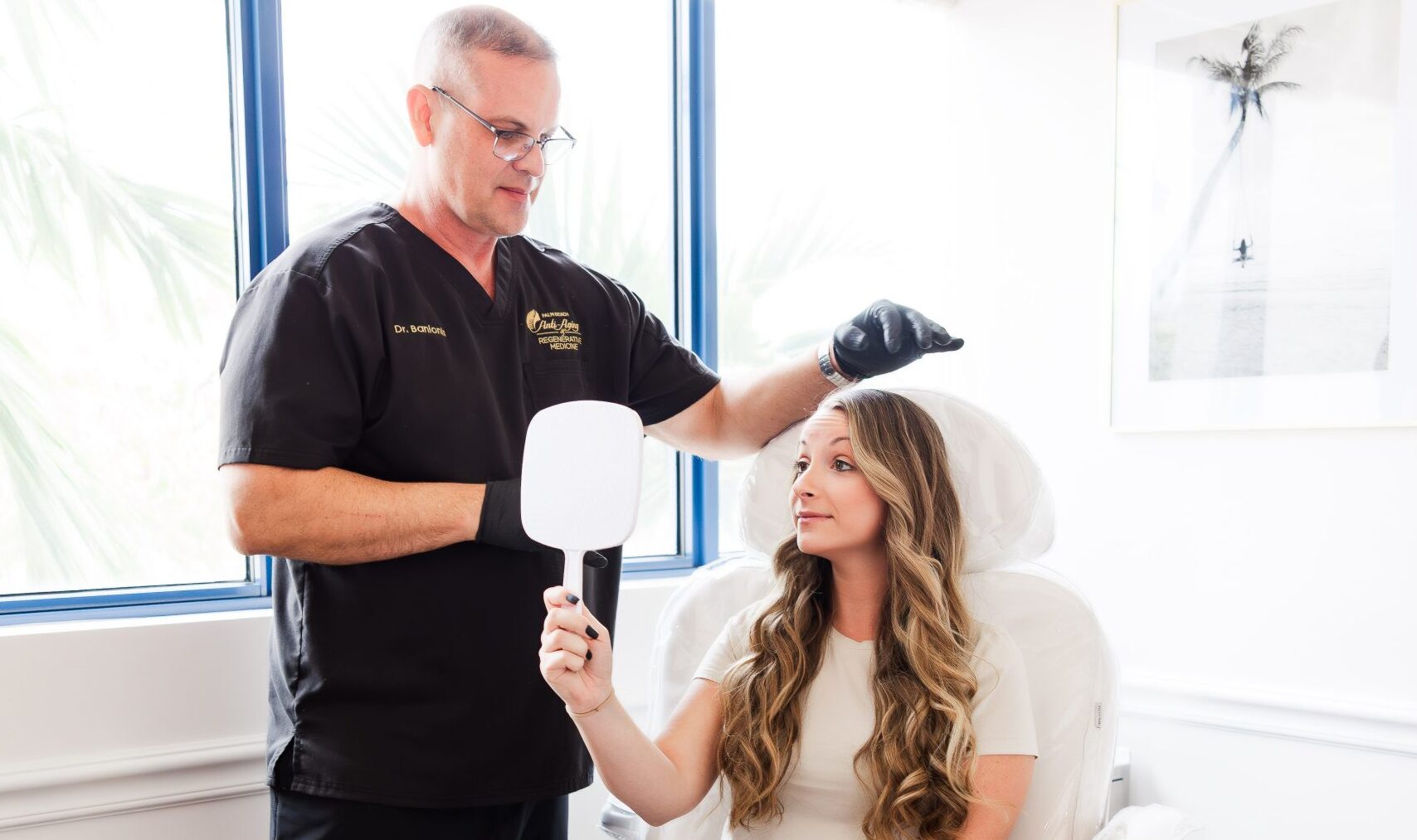
Living in South Florida makes melasma especially challenging, but it is absolutely manageable with the right approach. At Palm Beach Anti Aging, we take melasma seriously, combining safe, effective treatments with a realistic, long term management plan and the medical grade sun protection your skin needs in our climate. Our approach is honest: we will help you achieve clearer, more even skin and give you the tools to keep it that way, guided by our physician, Dr. Banionis, and our team experienced with all skin tones. Explore our Pigmentation and Melasma page to learn more.
Frequently Asked Questions
Can melasma be cured?
No, melasma cannot be permanently cured because it is a chronic condition driven by hormones and sun. But it can be dramatically improved and managed with the right treatments, sun protection, and skincare.
What causes melasma?
Melasma results from a combination of sun exposure (the biggest trigger), hormones like pregnancy and birth control, genetics, and heat. Managing these triggers is key to controlling it.
What is the best treatment for melasma?
A combination works best: Sylfirm X, which targets melasma safely across skin tones, plus gentle peels, PRX, the Aerolase laser, and medical grade skincare, all with strict sun protection.
Is melasma treatment safe for darker skin tones?
Yes, with the right approach. Deeper skin tones are more prone to melasma and more at risk from aggressive treatments, so we use skin tone safe options like Sylfirm X and Aerolase and a gentle strategy.
Why does my melasma keep coming back?
Because melasma is driven by ongoing triggers like sun and hormones, the pigment cells stay primed to overproduce. Sun exposure or hormonal shifts can flare it again, which is why prevention is essential.
What is the difference between melasma and dark spots?
Dark spots usually follow a specific event like a pimple and fade with peels and skincare. Melasma is chronic, hormone and sun driven, more stubborn, and needs a gentler, strategic approach.
How do I prevent melasma flare ups?
Wear broad spectrum SPF 30 or higher daily and reapply, use a tinted mineral sunscreen, wear a hat, avoid excess heat, use gentle skincare, and stay consistent with treatments.
Does sunscreen really help melasma?
Yes, it is the foundation of managing melasma. A tinted mineral SPF also blocks visible light that worsens melasma. Without daily sun protection, melasma comes right back after treatment.
Who should treat my melasma?
An experienced provider, ideally physician led, who understands melasma and skin tone safe treatment. At our practice, plans are guided by Dr. Saulis Banionis, M.D., and our team experienced with all skin tones.